

Detecting Pipe Leaks: What You Need to Know
Updated: Jan 5
When you own a pool or spa, maintaining its integrity is crucial. One of the most common and costly issues you might face is a leak in your plumbing system. Detecting these leaks early can save you significant money and prevent damage to your property. I want to guide you through the essentials of detecting pipe leaks, especially tailored for those in Tucson and Oro Valley, where the dry climate can sometimes mask the signs of water loss.
Understanding the Basics of Detecting Pipe Leaks
Detecting pipe leaks is not always straightforward. Pipes can run underground, behind walls, or beneath your pool deck, making visual inspection impossible. However, there are several signs and methods you can use to identify a leak before it becomes a major problem.
First, keep an eye on your water bill. An unexplained increase often signals a leak. Next, observe your pool or spa water level. If it drops more than usual, especially after accounting for evaporation, you might have a leak. You can perform a simple bucket test to differentiate between evaporation and leakage:
Fill a bucket with pool water.
Place it on a step inside the pool.
Mark the water level inside the bucket and the pool water level outside.
After 24 hours, compare the two levels. If the pool water level drops more than the bucket water, you likely have a leak.
These simple steps help you detect leaks early, but sometimes you need more advanced techniques.

Tools and Techniques for Detecting Pipe Leaks
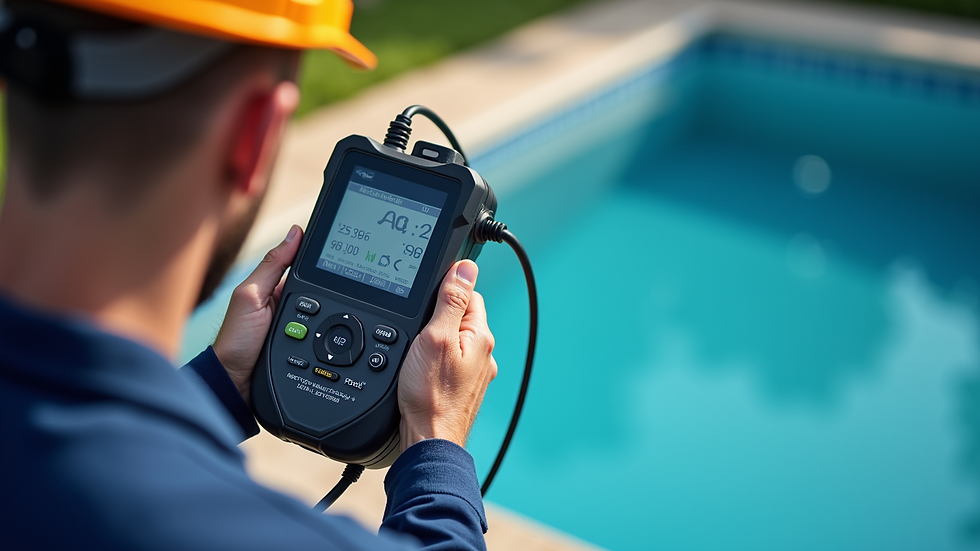
Professional leak detection uses advanced tools that can pinpoint leaks without unnecessary digging or damage. Here are some common methods:
Acoustic Listening Devices: These devices pick up the sound of water escaping from pipes. They are highly effective for underground or hidden leaks.
Pressure Testing: By isolating sections of your plumbing and monitoring pressure, technicians can identify leaks based on pressure drops.
Thermal Imaging Cameras: These cameras detect temperature differences caused by leaking water, especially useful for hot tubs and heated pools.
Dye Testing: Adding a non-toxic dye to the water helps trace leaks visually when the dye escapes through cracks or holes.
Using these tools, professionals can quickly locate leaks and recommend the best repair options.
How to Figure Out Where a Leak Is Coming From?
Locating the exact source of a leak can be challenging but is essential for effective repair. Here’s how you can narrow down the problem area:
Check Visible Plumbing: Inspect all exposed pipes, valves, and fittings around your pool or spa for wet spots or corrosion.
Monitor Equipment: Look for leaks around pumps, filters, heaters, and chlorinators. These are common leak points.
Isolate Sections: Turn off valves to isolate different parts of your plumbing system. If the water loss stops when a section is isolated, the leak is likely in that area.
Inspect Pool Shell and Equipment Pads: Cracks in the pool shell or equipment pads can cause leaks that mimic plumbing issues.
Use Leak Detection Services: When in doubt, call in experts who use specialized equipment to find leaks quickly and accurately.
By following these steps, you can save time and avoid unnecessary repairs.
Why Early Leak Detection Matters for Your Pool and Spa
Ignoring leaks can lead to serious consequences. Water loss not only wastes a precious resource but also increases your utility bills. More importantly, leaks can cause structural damage to your pool, spa, and surrounding areas. Soil erosion, foundation issues, and damage to landscaping are common results of untreated leaks.
Early detection allows you to:
Save Money: Fixing a small leak is far less expensive than repairing major damage.
Protect Your Investment: Your pool or spa is a valuable asset. Maintaining it preserves its value and functionality.
Conserve Water: In arid regions like Tucson and Oro Valley, water conservation is critical.
Avoid Health Risks: Standing water from leaks can promote mold growth and attract pests.
Taking action at the first sign of trouble ensures your pool and spa remain safe and enjoyable.
What to Do When You Suspect a Leak
If you suspect a leak, don’t wait. Start with the simple tests mentioned earlier. If those confirm a leak, contact a professional service specializing in pipe leak detection. They have the expertise and technology to find and fix leaks efficiently.
Meanwhile, reduce water loss by:
Turning off your pool or spa equipment when not in use.
Avoiding unnecessary water refills.
Monitoring your water bill and pool water level daily.
Remember, quick action prevents bigger problems.
Keeping Your Pool and Spa Leak-Free
Preventive maintenance is your best defense against leaks. Here are some tips to keep your system in top shape:
Schedule regular inspections of your plumbing and equipment.
Replace old or damaged pipes and fittings promptly.
Maintain proper water chemistry to prevent corrosion.
Use pool covers to reduce evaporation and protect your pool.
Keep an eye on your water usage and pool water level regularly.
By staying proactive, you can enjoy your pool and spa worry-free.
Conclusion: Safeguarding Your Investment
Detecting and addressing leaks early is essential for protecting your pool or spa investment. With the right knowledge and tools, you can identify problems quickly and take effective action. When in doubt, trust the experts who specialize in leak detection in Tucson and Oro Valley to help you safeguard your water features and save money.
By adopting these practices, you ensure that your pool and spa remain in excellent condition, allowing you to enjoy them for years to come. Taking the time to understand leak detection can make a significant difference in your maintenance routine. Let’s work together to keep your oasis intact and thriving.


Comments